What Skipping a Home Inspection Could End Up Costing a DFW Buyer
In a competitive Dallas–Fort Worth real estate market, skipping the home inspection to make an offer more attractive or save a few hundred dollars can feel like a clever shortcut. But in North Texas—where extreme weather and shifting soil put immense stress on residential structures—that shortcut often turns into a financial nightmare after closing.
A standard home inspection costs around $400 to $500, making it one of the smallest investments in the entire buying process. Here is what skipping that step could actually end up costing you out-of-pocket:
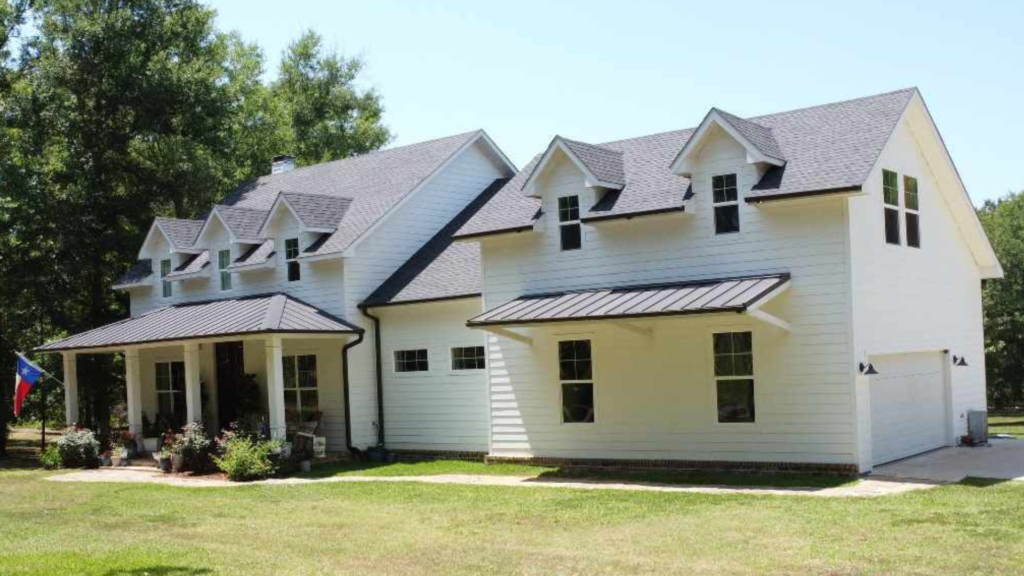
1. Foundation Stabilization: $5,000 to $12,000+
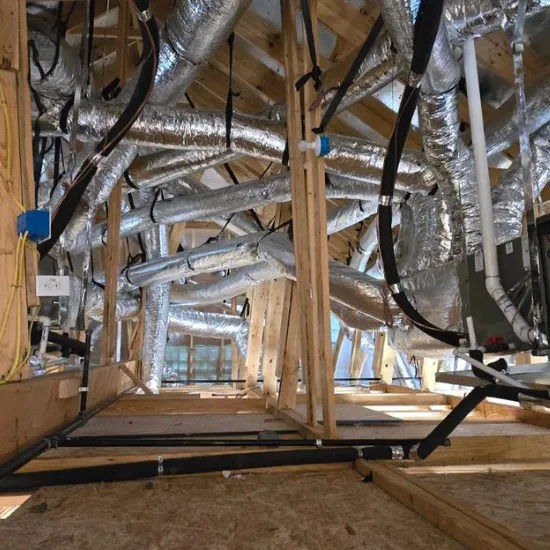
2. HVAC System Replacement: $6,000 to $9,000+
With DFW air conditioners running seven to eight months out of the year, heat pumps and condensers take a beating. An aging unit might blow cold air during a quick walkthrough, only to fail completely during its first 100-degree week. A full condenser and coil replacement in North Texas costs between $6,000 and $9,000+ depending on tonnage and SEER2 efficiency requirements.
3. Under-Slab Sewer Line Repair: $4,000 to $8,000+
Roof & Attic Moisture Damage: $3,000 to $10,000+